
Exercise During Pregnancy: Practical Guidelines for Staying Active and Safe
Introduction
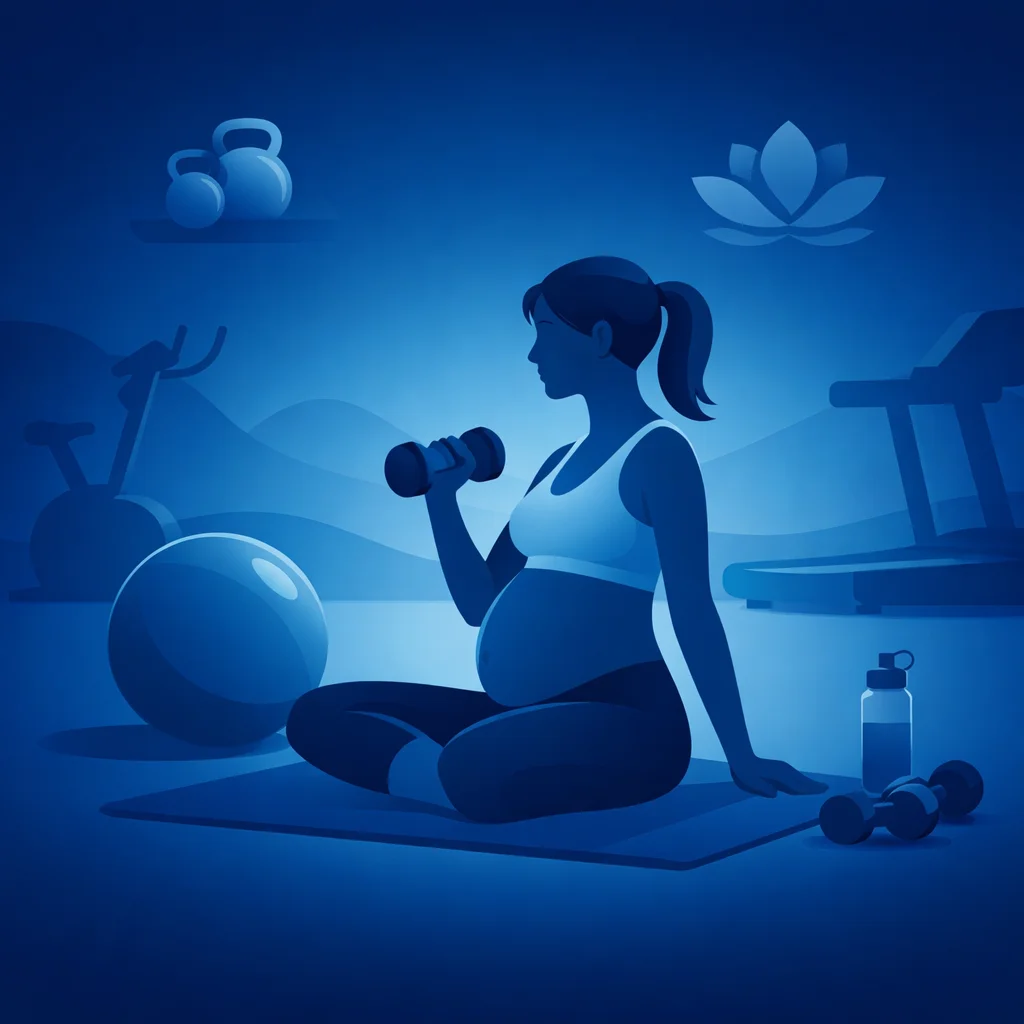
Pregnancy is not a time to stop moving, it is a time to move smarter. For most women, staying physically active during pregnancy supports both maternal health and daily comfort. The goal is not performance or physique changes, but maintaining strength, mobility, and energy while respecting the body’s changing demands. With the right approach, exercise can be a powerful tool throughout pregnancy.
Benefits of Exercise During Pregnancy
Regular, appropriate exercise during pregnancy offers several practical benefits:
- Improved posture and reduced back discomfort as body weight and center of gravity change
- Better energy levels and mood regulation during physically demanding weeks
- Maintenance of muscle strength needed for daily tasks and later postpartum recovery
- Improved circulation and joint health
- Enhanced body awareness and breathing control
From a personal trainer’s perspective, movement helps women feel more capable and confident as their bodies adapt.
What Types of Exercise Are Generally Safe
Most pregnant individuals can continue or begin low-to-moderate intensity activity, assuming no medical restrictions.
Strength training
Light to moderate resistance training helps maintain muscle tone and joint stability. Focus on controlled movements, good posture, and breathing. Machines, dumbbells, resistance bands, and bodyweight exercises are all useful tools when properly selected.
Cardiovascular activity
Walking, cycling on a stationary bike, and low-impact cardio help support heart health without excessive stress. Intensity should allow comfortable conversation during the activity.
Mobility and flexibility work
Gentle mobility drills and controlled stretching help manage stiffness, especially in the hips, back, and upper body. Avoid aggressive stretching due to increased joint laxity during pregnancy.
Daily movement
Simple habits such as regular walks, posture changes, and light mobility breaks can be just as valuable as structured workouts.
Key Training Adjustments as Pregnancy Progresses
As pregnancy advances, training should evolve:
- Reduce intensity rather than stopping movement altogether
- Prioritize proper breathing and avoid breath-holding
- Adjust positions to maintain comfort and balance
- Increase rest periods and recovery between sessions
- Focus on quality of movement instead of volume
Listening to physical feedback is essential. Discomfort, dizziness, or unusual fatigue are signals to slow down or stop.
Common Mistakes to Avoid
Two extremes often cause problems: doing too much or doing nothing at all.
- Trying to train at pre-pregnancy intensity levels
- Ignoring posture and breathing mechanics
- Avoiding all exercise out of fear rather than guidance
- Comparing progress to others instead of personal comfort and ability
Practical Conclusion
Exercise during pregnancy should support daily life, not compete with it. The most effective routine is one that feels manageable, safe, and consistent. With sensible adjustments, regular movement can help pregnant individuals feel stronger, more comfortable, and better prepared for the physical demands ahead. When in doubt, seek guidance from qualified professionals who understand both training and pregnancy-related changes.