Introduction
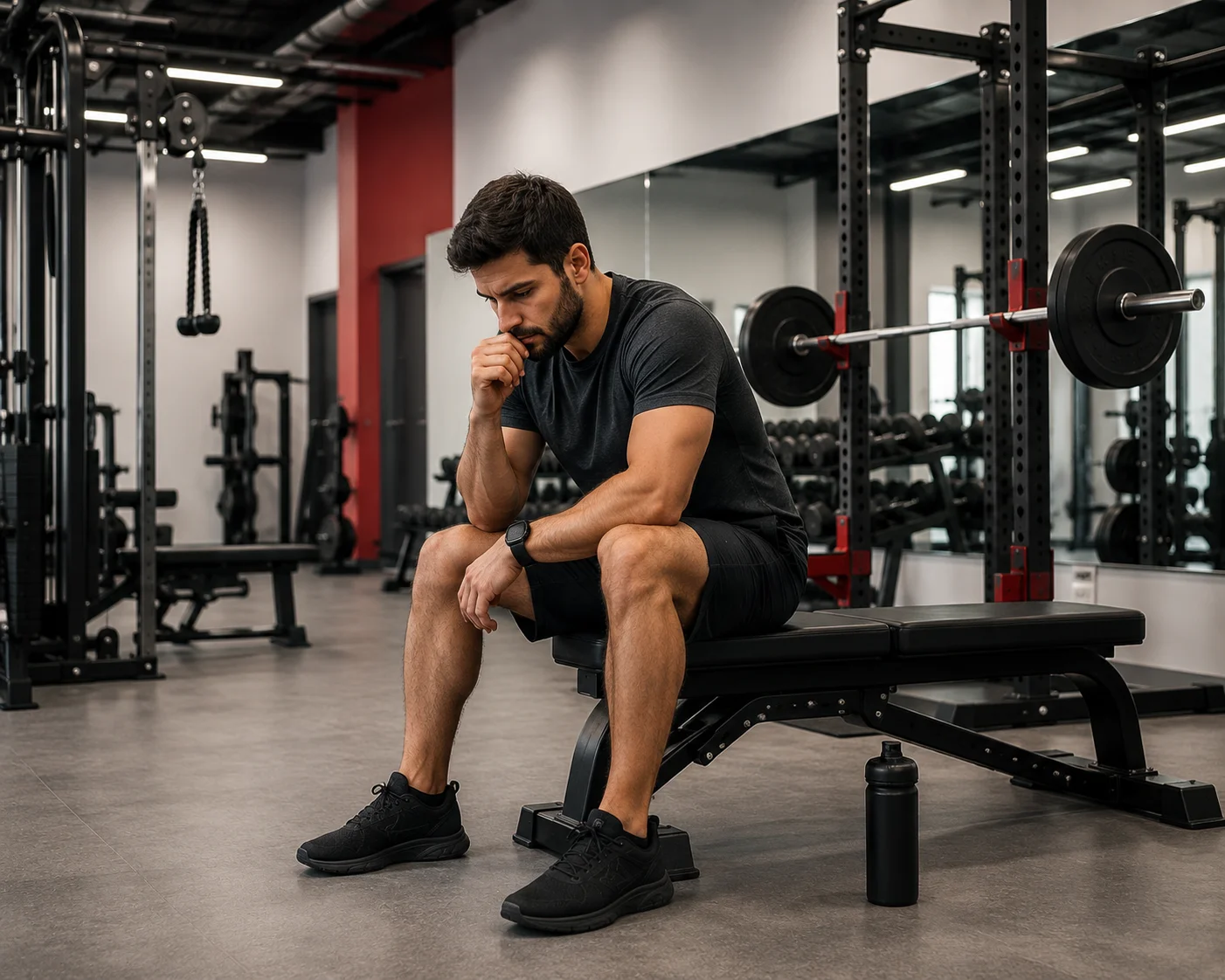
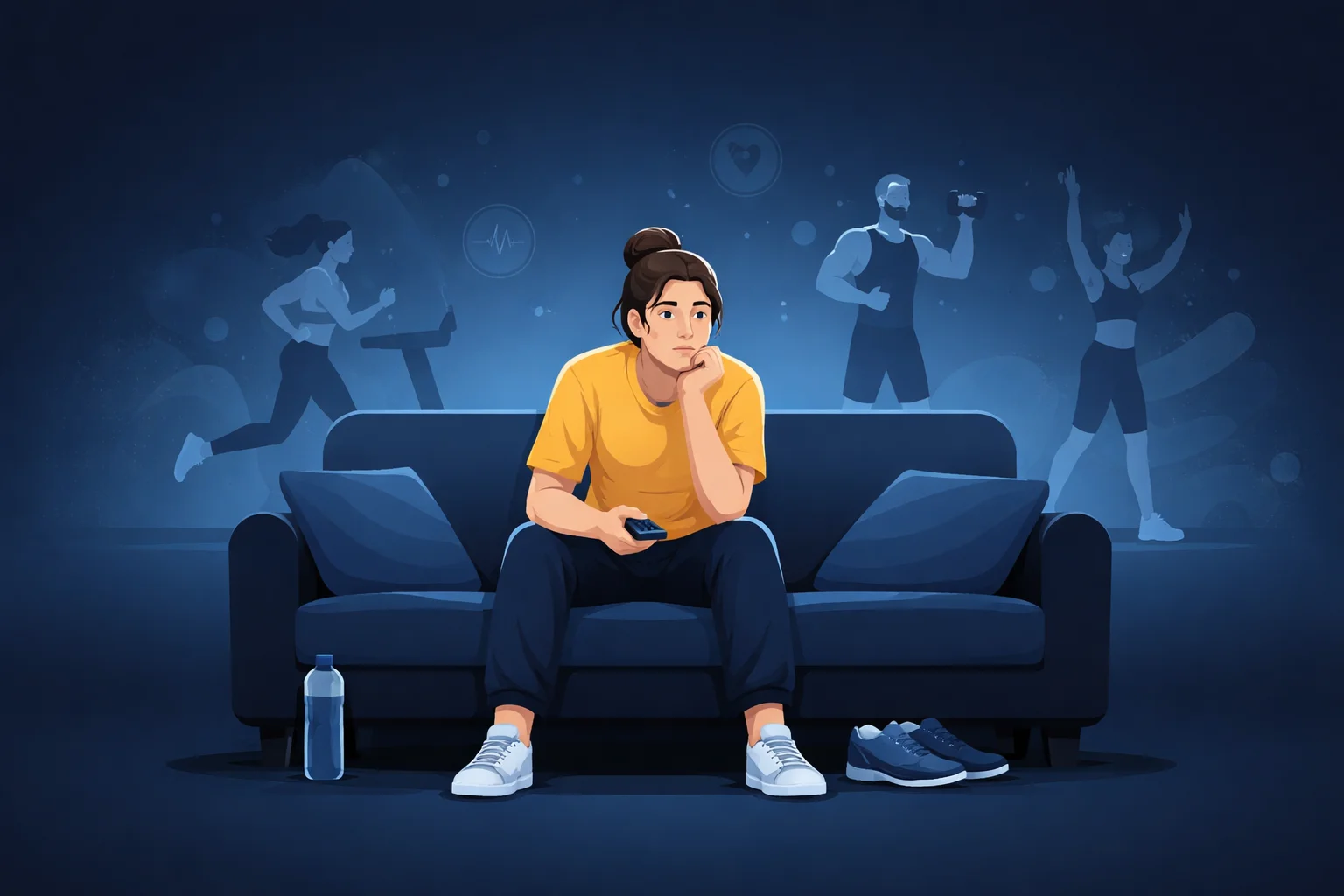
Not everyone enjoys physical activity—and that doesn’t mean they are lazy, undisciplined, or unhealthy by default. As personal trainers, we often work with people who actively dislike exercise due to past experiences, physical discomfort, or lifestyle constraints. Understanding this reality is essential if the goal is long-term health, not short-term compliance.
This article looks at why some people dislike activity and how movement can be introduced in a realistic, sustainable way without forcing gym culture or intense workouts.
Why Physical Activity Feels Unappealing to Many People
Disliking activity is rarely about one single reason. Common contributors include:
- Negative past experiences such as school sports, public gyms, or being judged
- Physical discomfort including joint pain, poor conditioning, or fatigue
- Mental overload from work stress, long hours, and decision fatigue
- All-or-nothing thinking, where activity is seen as intense workouts or nothing
When movement is associated with pain, embarrassment, or exhaustion, avoidance becomes a logical response—not a character flaw.
The Problem With “You Just Need Motivation”
Telling someone who dislikes activity to “just be more motivated” ignores how habits are actually formed. Motivation is unreliable, especially for busy professionals.
What works better is reducing friction:
- Less time commitment
- Lower physical and mental demand
- Clear purpose tied to daily life
Consistency comes from systems and simplicity, not hype or pressure.
Redefining Activity Beyond Traditional Exercise
One of the biggest breakthroughs for inactive individuals is realizing that activity does not have to mean workouts.
Movement can include:
- Walking during phone calls
- Light mobility work while watching TV
- Short strength sessions at home
- Carrying groceries, taking stairs, or standing more often
When activity supports life instead of interrupting it, resistance drops significantly.
Practical Strategies for People Who Don’t Like Activity
From a coaching perspective, these strategies work best:
- Lower the entry point: Start with 5–10 minutes, not an hour
- Detach from aesthetics: Focus on energy, joints, and daily function
- Choose tolerance over enjoyment: You don’t have to love it—you just need to tolerate it
- Anchor movement to habits: Same time, same place, minimal decisions
- Progress slowly: Intensity comes later, not at the start
The goal is not to turn everyone into a fitness enthusiast. The goal is to make movement non-threatening and repeatable.
Practical Conclusion
If you dislike physical activity, you are not broken—and you are not alone. Health does not require extreme workouts or passion for exercise. It requires regular movement that fits your reality.
When activity is scaled correctly and stripped of unnecessary pressure, it becomes manageable. From there, consistency—not motivation—does the real work.